Ayurveda is India's traditional system of medicine, officially recognised by the Government of India, which has a dedicated Ministry of Ayush for traditional systems. For travellers it usually means oil massages, herbal steam, simple vegetarian food and a slower daily routine, taken at a resort or centre over a few days. Kerala is the best-known place for it in the south, and many visitors combine a Kerala road trip from Pondicherry with a few days of rest at an Ayurveda centre.
This page is travel information only. Ayurvedic treatment is not a substitute for medical advice: if you have a health condition, are pregnant or take regular medication, talk to your own doctor before booking anything beyond a relaxing massage.
Where to go
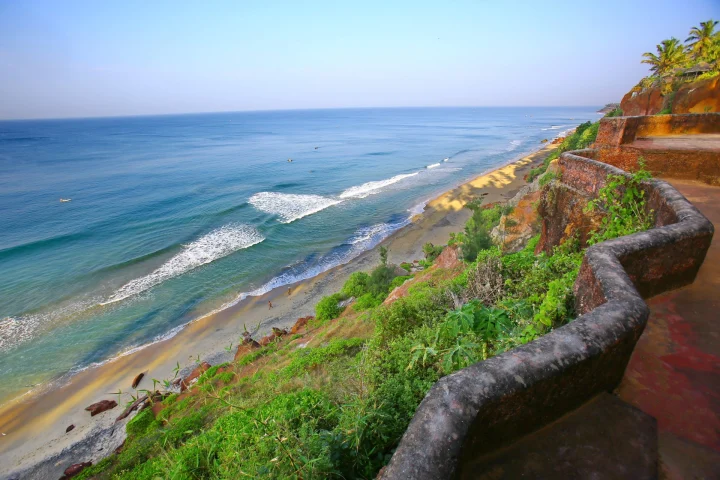
- Varkala – a cliff-top beach town with many Ayurveda centres and yoga schools, easy to combine with our Kerala coast tour.
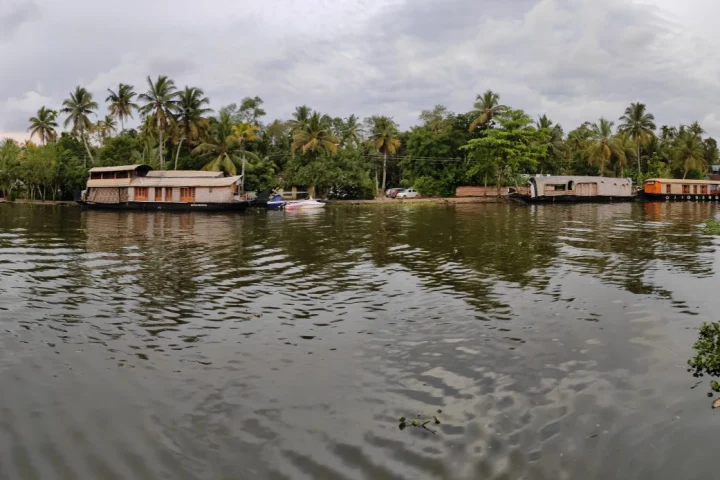
- Kumarakom and Alleppey – lakeside resorts on the backwaters, several with in-house Ayurveda.
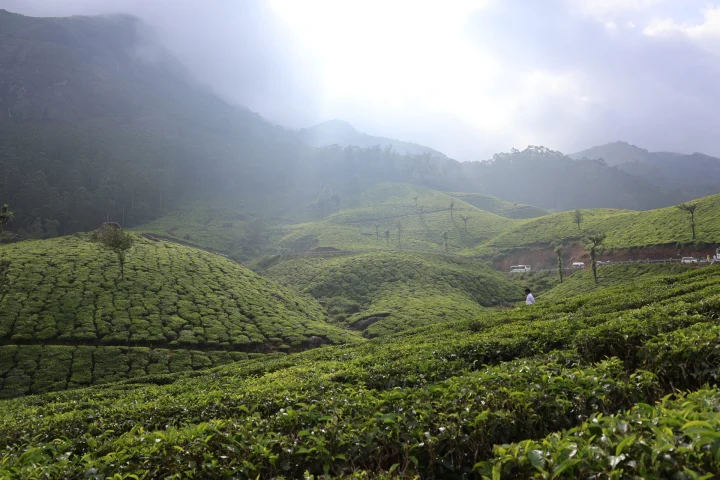
- Munnar and Thekkady – hill resorts with Ayurveda centres, for cooler weather.
- Kottakkal in Malappuram district – home of the Arya Vaidya Sala, founded in 1902 by Vaidyaratnam P. S. Varier and one of the oldest Ayurveda institutions in Kerala.
- Coimbatore – the Isha Yoga Center runs yoga and meditation programmes; see our Coimbatore, Isha & Valparai tour.
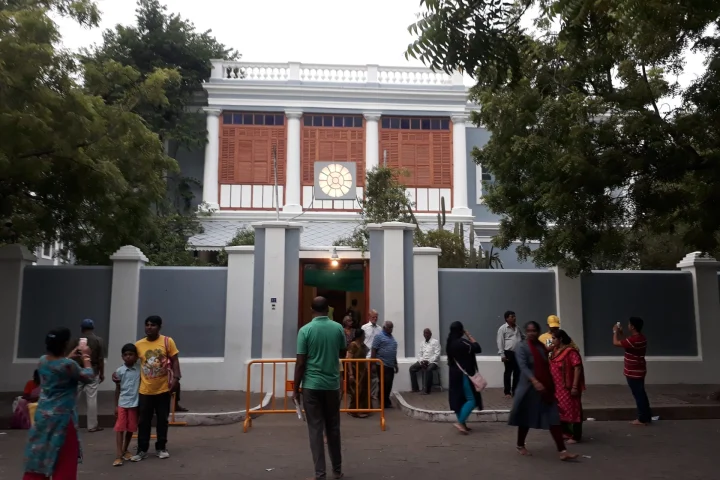
- Pondicherry itself – the Sri Aurobindo Ashram and many yoga studios; see our spiritual retreats guide.
Choosing an Ayurveda centre
Kerala's Department of Tourism runs a classification scheme for Ayurveda centres that serve tourists. For many years the grades were called Green Leaf and Olive Leaf; according to Kerala Tourism, these have been replaced by Ayur Diamond, Ayur Gold and Ayur Silver. The scheme checks facilities, hygiene and staffing, and a classified centre is a sensible starting point. It is not a guarantee of results, so read the details of what each programme involves.
- Ask whether a qualified Ayurveda doctor will see you before any treatment
- Check which treatments are included, how many sessions a day, and the food plan
- Tell the doctor about any medical conditions, allergies or medicines
- Be wary of anyone promising cures – reputable centres don't
Best season
Ayurveda centres are open all year. In Kerala tradition, the monsoon – especially the Malayalam month of Karkidakam (July–August) – is considered a good time for Ayurveda, when the air is cool and moist, and some centres offer special programmes then. For sightseeing alongside your stay, October to March has the most comfortable weather.
Planning tips
- Book the centre directly or through your hotel; we can drive you there and help with hotel bookings along the way.
- Leave a quiet day or two at the end of a road trip for treatments, rather than squeezing them between long drives.
- Avoid heavy sightseeing and alcohol if you are following a programme; most centres ask for this.
- Wear old clothes after oil treatments – the oil stains.
Frequently asked questions
Which is the best place in South India for Ayurveda?
Kerala has the largest number of Ayurveda centres, with popular choices at Varkala, Kovalam, the backwaters and the hill resorts. The right place depends on your budget, the programme you want and the doctor's advice.
What is the best time for Ayurveda in Kerala?
Centres are open all year. Kerala tradition favours the monsoon, especially the month of Karkidakam (July–August), while October to March is best if you also want to sightsee.
How do I know if an Ayurveda centre is genuine?
Look for centres classified by Kerala's Department of Tourism, ask if a qualified Ayurveda doctor consults on site, and avoid anyone who promises cures.
Can you book Ayurveda treatments for us?
No. We arrange the car and driver and can help you book hotels on the way. Ayurveda programmes should be booked directly with the centre after speaking to their doctor.