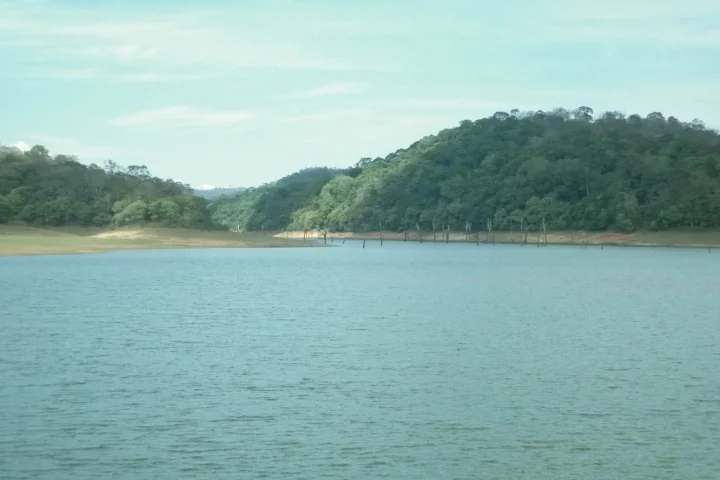
The Coromandel coast around Pondicherry is a flat land of irrigation tanks, lagoons, mangroves and salt pans – ideal country for water birds. Every winter, ducks, waders and terns arrive along the Central Asian Flyway, while pelicans, storks and egrets gather to nest in village tanks. You can see a surprising variety within an hour of town, and a few days' drive opens up the forest and wetland sanctuaries of Kerala and Karnataka.
Best season
In Tamil Nadu and Puducherry, the main season runs from about November to March, after the northeast monsoon has filled the tanks. December to February is usually the peak for both nesting colonies and migrants. In Kerala and Karnataka, the pattern differs: resident water birds nest in the monsoon months at places like Kumarakom and Ranganathittu, while winter brings the migrants. Always go early – the first two hours after sunrise are the most rewarding.
Near Pondicherry
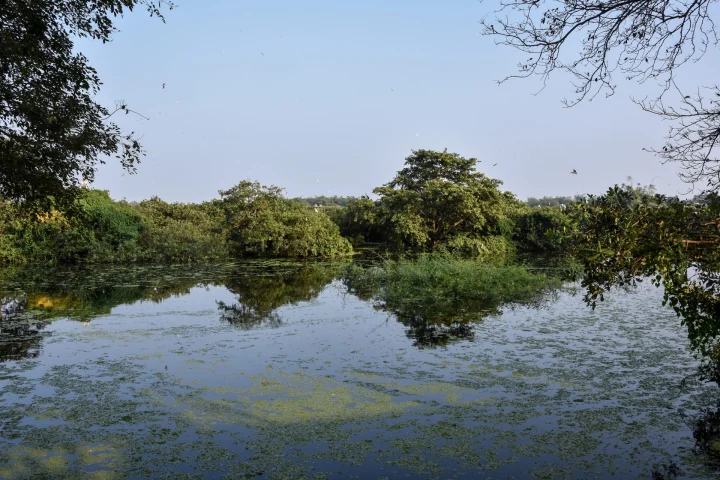
- Ousteri Lake (about 12 km) – Puducherry's largest wetland and a protected bird sanctuary; ducks, storks, herons and waders in winter.
- Kaluveli (Kazhuveli) – a large brackish lake just north of Pondicherry on the way to Marakkanam, designated a Ramsar site in 2024 and an important stopover for migratory birds.
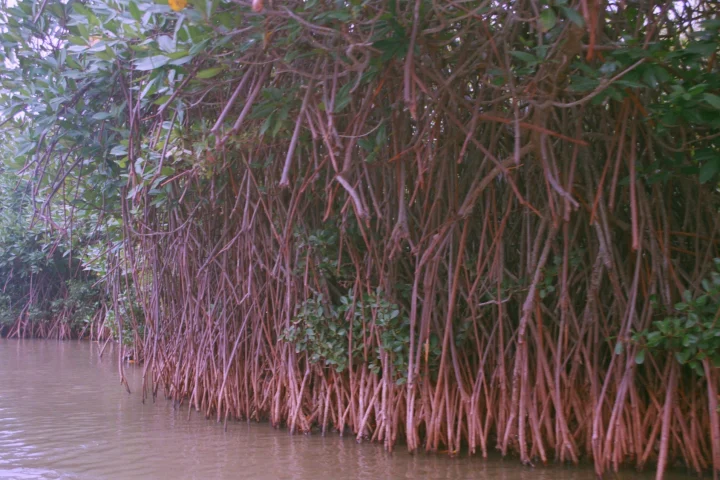
- Pichavaram mangroves near Chidambaram – a rowing-boat trip through the channels for kingfishers, herons and shorebirds.
Day trips and longer journeys
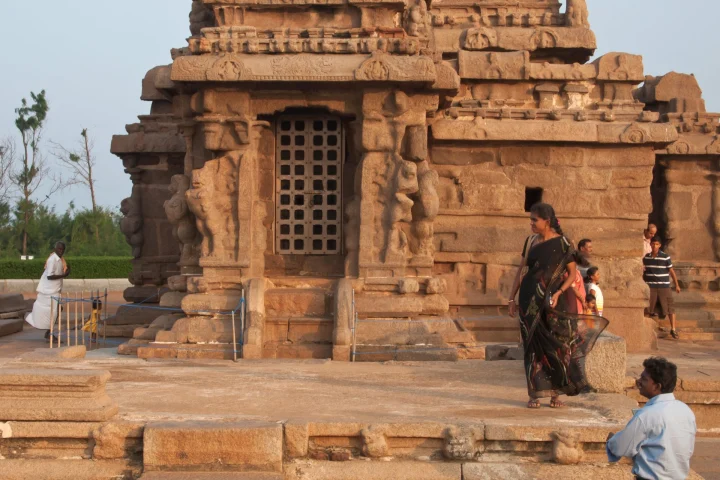
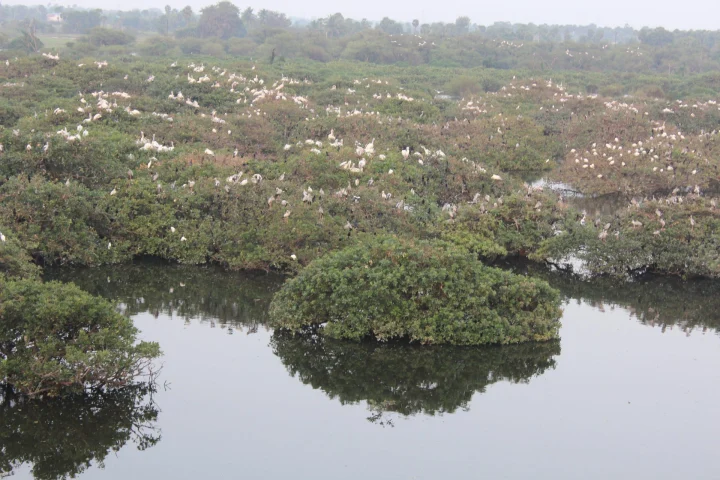
- Vedanthangal (about 100 km) – a heronry protected by villagers for centuries and formally declared a sanctuary in 1936. Pelicans, painted storks, openbills, ibises and cormorants nest here in season. Pair it with Mahabalipuram on our Vedanthangal & Mahabalipuram day trip.
- Point Calimere (Kodiakkarai), south of Vedaranyam – a Ramsar site where large flocks of greater and lesser flamingos gather in winter, along with blackbuck on the grasslands. Best combined with an overnight stay on the Kaveri delta coast.
- Ranganathittu near Mysore – river islands on the Kaveri with nesting pelicans, storks and spoonbills, seen from a boat.
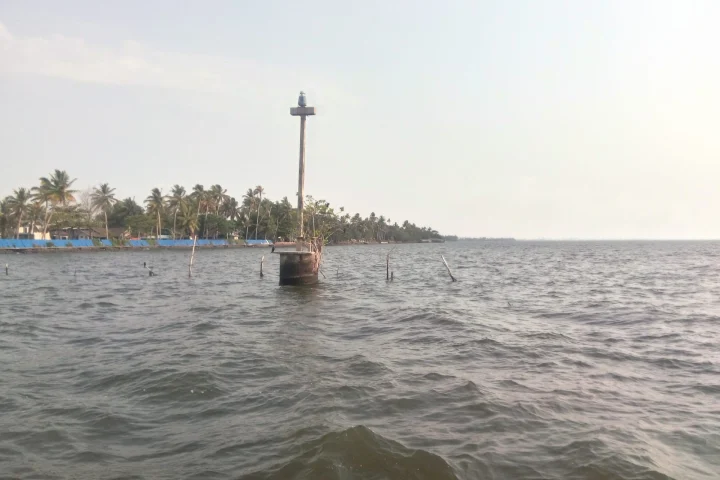
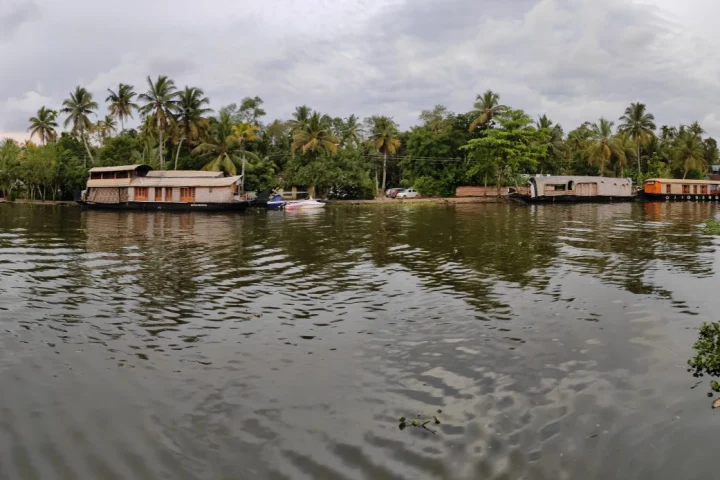
- Kumarakom on Vembanad Lake – a small wooded sanctuary with herons, darters and migratory birds from November to February; see our Kerala coast tour.
- Thattekad near Kochi – the Dr Salim Ali Bird Sanctuary, a forest reserve known for Western Ghats species, for keen birders.
Planning tips
- Carry binoculars (8x or 10x) and a field guide or bird app; a zoom lens helps at heronries where the nests are across the water.
- Wear dull colours, move slowly and keep your voice down.
- Water levels depend on the monsoon – in a dry year, even famous sanctuaries can have few birds. We can check recent reports before you travel.
- Sanctuary timings, boat services and entry rules change; check with the forest department before you go.
- Leave before dawn: our car and driver can pick you up early so you reach the site at first light.
Frequently asked questions
Where can I go bird watching near Pondicherry?
Ousteri Lake, about 12 km from town, is the closest good site. Kaluveli lake to the north, the Pichavaram mangroves and Vedanthangal Bird Sanctuary are all practical day trips.
What is the best season for bird watching in Tamil Nadu?
November to March, after the northeast monsoon fills the lakes and tanks. December to February is usually the peak for nesting and migratory birds.
Where can I see flamingos near Pondicherry?
Point Calimere (Kodiakkarai) on the Kaveri delta coast is the best-known site, with large flocks in winter. Numbers vary from year to year.
Is Vedanthangal open all year?
The sanctuary can be visited through the year, but birds are present in large numbers only when the tank has water, usually from about November to March.