A road trip is the most flexible way to see South India. Temple towns, hill stations, forests and backwaters are spread out, trains don’t reach many of them, and a car lets you stop at a roadside temple or a tea stall whenever you like. Most visitors hire a car with a driver rather than driving themselves, and for good reason: local drivers know the roads, the ghat sections and the unwritten rules of Indian traffic.
This guide covers the practical side – how a car-with-driver arrangement works, what is normally expected for the driver’s stay and meals, interstate permits, tolls, hill roads, night driving and packing. For route ideas, see how to plan a South India trip from Pondicherry.
On this page
Choosing the car
- Compact sedan: fine for two or three adults with medium luggage on plains routes.
- SUV or MUV (seven-seater): better for families, four or more adults, lots of luggage, or long days on hill roads, where the extra space and ground clearance help.
- Tempo Traveller: for groups of around eight or more.
- Ask for an AC vehicle in good condition with working rear seatbelts – and use them. Rear seatbelts are required by law in India.
- Tell the operator about luggage size in advance; a sedan boot fills quickly with large suitcases.
How a car-with-driver trip works
Outstation trips in South India are usually quoted either as a package for a fixed itinerary or on a per-kilometre basis with a minimum daily distance. Either way, ask exactly what the quote covers: fuel, tolls, parking, state permits and the driver’s allowance. A clear written itinerary avoids misunderstandings about extra kilometres or unplanned detours.
Your driver stays with you for the whole trip and takes you from hotel to sights and back. Share the next day’s plan each evening, including your preferred start time. Most drivers are happy to suggest a good lunch stop, the best time to beat temple queues, or a quieter route.
Driver stay and food: the usual norms
On multi-day trips, the driver’s accommodation and meals are normally covered by a daily driver allowance (often called bata) that is built into the quote – check that it is. You don’t usually need to book a room for the driver. Many hotels in temple towns and hill stations have drivers’ dormitories or rooms, sometimes for a small charge, and drivers are used to making their own arrangements where they don’t.
Drivers generally eat separately, at places they know along the route; you are welcome to invite them to join you, but there’s no expectation. If a hotel has no driver facility, mention it when booking so the operator can plan. A tip at the end of the trip for good service is customary but at your discretion.
Driving hours
A tired driver is a risk. Keep daily driving to around eight or nine hours at most, allow a proper lunch break, and avoid plans that end with a long drive late at night after an early start. If a day must be long, start early rather than finishing late.
Crossing state borders: permits and taxes
Tourist vehicles are registered in one state, and when they cross into another – Tamil Nadu or Puducherry into Kerala, Karnataka or Andhra Pradesh – interstate permit charges or border taxes may apply depending on the vehicle’s permit. These are paid at or before the border check post and vary by state and vehicle type.
You don’t need to handle this yourself. Just make sure your quote says whether interstate permit charges are included, so there are no surprises at the border. Allow a little extra time at check posts, especially on weekends.
Tolls and FASTag
National highway toll plazas are now collected electronically through FASTag, a prepaid tag on the windscreen. The government announced that national highway toll plazas would stop accepting cash from April 2026, leaving FASTag and UPI, and vehicles without a valid FASTag pay more than the normal toll. For a hired car, the operator’s FASTag handles this, and tolls are usually part of your quote.
If you are driving your own car, make sure the FASTag is active, linked to the right vehicle and topped up before a long trip. Some state highways and city bypasses have their own toll booths too.
Ghat roads and hill driving
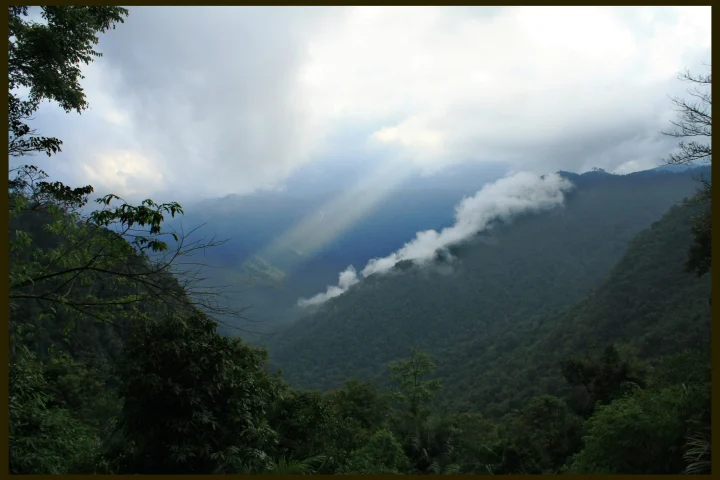
Many of the South’s best destinations are reached by ghat roads with dozens of hairpin bends – the Yercaud ghat, the Kodaikanal and Ooty climbs, the Valparai road from Aliyar and the Kolli Hills road among them. They are well engineered but slow, and traffic is heavy in peak season.
- Plan for 20–30 km per hour on ghat sections; a 60 km climb can take two hours or more.
- India’s driving regulations say that on narrow mountain roads, the vehicle going downhill should stop and let the vehicle going uphill pass first. Experienced drivers also use their horn before blind bends.
- Carry motion-sickness tablets if you need them, eat lightly before the climb and sit in the front or middle rows.
- Ask the driver to stop at safe viewpoints rather than on bends.
- In the monsoon, landslides can block hill roads; check local news before setting out.
- Visiting vehicles need an e-pass for Ooty and Kodaikanal at the time of writing – apply on the official portal epass.tnega.org before you travel. Your driver or operator can help.
Night driving and forest roads
Avoid driving after dark wherever possible, especially on hill roads and rural highways. Unlit roads, trucks, animals, pedestrians and two-wheelers without lights make night driving far riskier than in daylight.
Several routes through protected forests are closed to vehicles at night. The Mysore–Ooty road through Bandipur and Mudumalai and the Mysore–Wayanad road through Bandipur are closed to most traffic from around 9 pm to 6 am at the time of writing, and queues build before the gates open. If your route crosses a tiger reserve, plan to be through in daylight – our coffee-country comparison covers these routes.
Planning a realistic day
- Road distances look short on a map, but towns, speed breakers and festival crowds slow things down. Budget roughly 50–60 km per hour on highways and much less in hills and towns.
- Temples usually close for a few hours in the afternoon, which is a good time to drive.
- Mix long drive days with rest days, particularly with children or older travellers.
- One-way trips that end at an airport such as Madurai, Kochi or Bengaluru often save a full day of driving back.
- For short outings, see our day trips from Pondicherry; for timing, our best time to visit South India guide.
What to pack for a South India road trip
- Documents: original photo ID for every traveller, which hotels ask for at check-in, and, for foreign nationals, passport and visa. Keep copies on your phone.
- Temple clothing: shoulders and knees covered, and slip-on footwear. Some temples, such as the Padmanabhaswamy temple in Thiruvananthapuram, have stricter dress codes.
- Sun and heat: hat, sunscreen, sunglasses and a refillable water bottle.
- Hills: a warm layer for Ooty, Kodaikanal or Munnar nights, and rain gear from June to December.
- Health: motion-sickness tablets, oral rehydration salts, basic medicines and mosquito repellent.
- Money: UPI and cards work widely, but carry some cash for temple footwear stands, small eateries and rural areas.
- Gadgets: phone charger that works from the car, a power bank and offline maps for areas with weak signal.
- Snacks: fruit and biscuits for long stretches between good restaurants.
Plan your road trip with us
We arrange tailor-made tours from Pondicherry with an AC car and driver, from a single day to two weeks across Tamil Nadu, Kerala and Karnataka, and can help book hotels along the way. Popular routes include the Kerala hills and backwaters, Ooty, Coonoor and Mysore and the Grand Tamil Nadu Temple Tour. More ideas are on our road trips page. Message us on WhatsApp with your dates and group size for a suggested plan and a quote.
Frequently asked questions
Do I need to pay for the driver's food and room on a South India tour?
Usually not separately. A driver allowance covering meals and stay is normally included in the quote; check that it is. Many hotels have drivers’ dormitories.
Are interstate permits needed for a tourist car from Tamil Nadu to Kerala or Karnataka?
Tourist vehicles crossing state borders may have to pay permit charges or border taxes, depending on their permit. The operator handles this; just confirm whether it is included in your quote.
Is it safe to drive at night in South India?
It is best avoided, especially on ghat roads and rural highways. Some forest roads, such as those through Bandipur and Mudumalai, are closed to most vehicles at night.
Do I need an e-pass to visit Ooty or Kodaikanal by car?
At the time of writing, visiting vehicles need an e-pass from the Tamil Nadu government portal epass.tnega.org. The rules have changed several times, so check before travelling.
How many kilometres can we cover in a day by car?
On highways, around 300–350 km with breaks is a full day. On hill roads, plan much less, as ghat sections average 20–30 km per hour.