Kerala is one of the most popular extensions to a Pondicherry holiday, and it works surprisingly well by road. You leave the flat, hot coast of Tamil Nadu, cross the Western Ghats into tea country, drop down through spice plantations and forest, and finish on the backwaters. Each day looks completely different from the last.
It is not a short drive, though. Munnar is roughly 460 km from Pondicherry by road, and the full loop back from Kochi adds another 560 km or so. This guide sets out the most practical route, honest drive times for each leg, and how many days to allow so the trip feels like a holiday rather than a relay.
On this page
The classic route: Pondicherry – Madurai – Munnar – Thekkady – Alleppey – Kochi
Distances below are approximate and vary with the exact road taken. Drive times assume a car with a driver, normal traffic, and a tea stop or two – ghat roads in particular are slower than the map suggests.
- Pondicherry → Madurai: about 330 km, 6–7 hours. Usually via Villupuram and Trichy on four-lane highways.
- Madurai → Munnar: about 155 km, 4–5 hours. Via Theni and the Bodimettu ghat into Kerala.
- Munnar → Thekkady: roughly 90–120 km depending on the road, 3–4 hours through cardamom and tea country.
- Thekkady → Alleppey: roughly 140–155 km, 4–5 hours, descending from the hills to the coast.
- Alleppey → Kochi: about 55 km, around 1.5 hours.
- Kochi → Pondicherry: about 560 km via Coimbatore and Salem, 10–11 hours. Most people split this with a night on the way, or end the trip at Kochi and fly home.
Suggested day-by-day plan (8 days)
This is a comfortable pace with at least one full, drive-free day in each main stop. It can be squeezed to six days by skipping the Madurai night and the second Munnar night, but the long drives start to dominate.
- Day 1: Pondicherry to Madurai. Evening visit to the Meenakshi Amman temple.
- Day 2: Madurai to Munnar via Theni. Arrive by mid-afternoon to avoid the ghat after dark.
- Day 3: Munnar: tea estates, viewpoints and Eravikulam National Park (see the note on closures below).
- Day 4: Munnar to Thekkady. Spice plantation walk in the afternoon.
- Day 5: Thekkady: early boat ride on Periyar lake, nature walks.
- Day 6: Thekkady to Alleppey. Board a houseboat or stay by the backwaters.
- Day 7: Alleppey to Kochi. Fort Kochi and Mattancherry in the afternoon.
- Day 8: Fly home from Kochi, or begin the drive back towards Pondicherry with an overnight stop en route.
What to see at each stop
Madurai
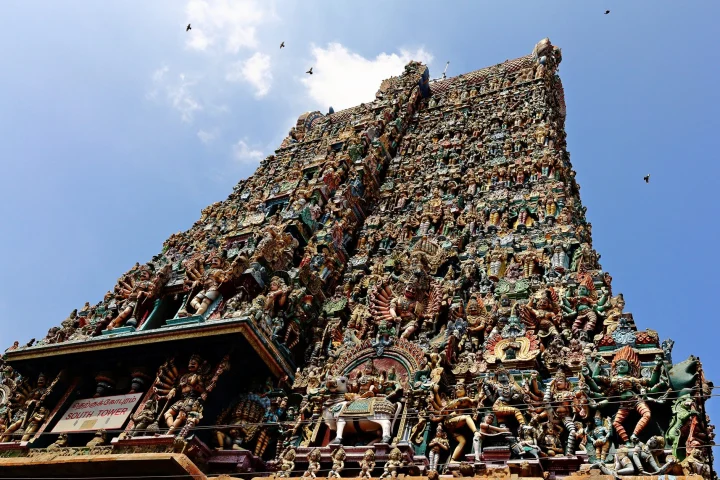
Breaking the journey in Madurai turns a long transfer into a highlight. The Meenakshi Amman temple is at its most atmospheric in the evening. Dress conservatively, and note that mobile phones are not allowed inside – there are deposit counters at the gates.
Munnar
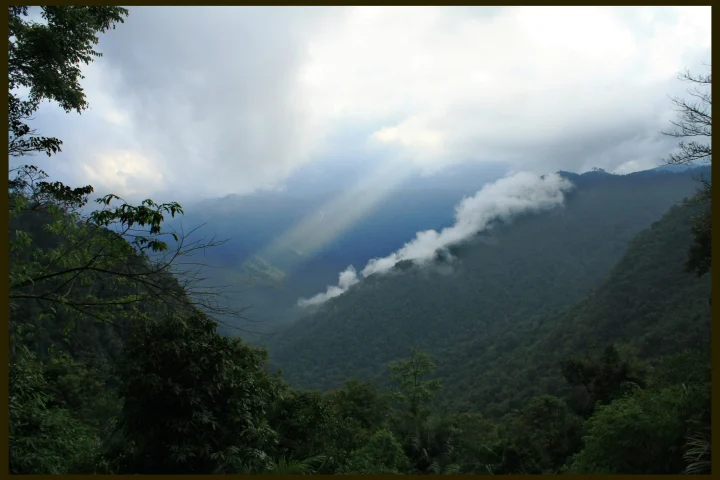
Munnar sits at about 1,600 m in the Western Ghats and is surrounded by tea estates, some planted from the 1880s onwards. The nearby Eravikulam National Park protects the endangered Nilgiri tahr and includes Anamudi, the highest peak in South India. The park closes each year for the tahr calving season, usually from 1 February to around the end of March – check the Kerala Forest Department’s announcements before you plan around it.
Thekkady
Thekkady is the gateway to the Periyar Tiger Reserve. The main activity is a boat trip on Periyar lake, run by the Kerala tourism and forest authorities in fixed slots through the day. Early slots are best for birds and mist; wildlife sightings are never guaranteed. Kumily, the adjoining town, is the place to buy cardamom, pepper and other spices. Boat timings and ticketing can change, so confirm at the time of your visit.
Alleppey and Kochi
Alleppey (Alappuzha) is the base for Kerala’s backwaters. An overnight houseboat is the classic experience; a day cruise or a stay in a lakeside homestay are good alternatives if you are not keen on a night on the water. Kochi, an hour and a half north, is the natural end point, with its old port district and an international airport.
Alternative routes
Via Kodaikanal
If you like hill stations, you can add Kodaikanal on the Tamil Nadu side before crossing into Kerala. From Pondicherry, Kodaikanal is roughly 390–400 km via Trichy and Dindigul, a long day. From there you can continue down to Theni and up to Munnar or Thekkady. This adds one to two days. Note that private vehicles entering Kodaikanal currently need an e-pass under a Madras High Court order; your driver will usually arrange it.
Straight to the backwaters
If backwaters are your main interest and you are short of time, the faster approach is the highway via Salem and Coimbatore to Kochi (about 560 km), then Alleppey. You lose the hills, but it is the quickest way to the coast of Kerala.
Reverse direction
Some travellers fly into Kochi, work their way through Kerala and finish with a few days in Pondicherry. The route is the same in reverse; ending by the sea in Pondicherry after days in the hills is a pleasant way to wind down.
Best season for a Pondicherry–Kerala road trip
Kerala Tourism names November to March as the best time to visit. The south-west monsoon, which brings Kerala the bulk of its rain, arrives around June and lasts into September; hill roads to Munnar and Thekkady can see landslides and closures during heavy spells.
There is a complication at the Pondicherry end. Tamil Nadu and Puducherry get most of their rain from the north-east monsoon, roughly October to December, with a normal onset around 20 October. So the sweet spot for the whole trip is usually late December to February, when both sides are generally dry and the hills are cool. Nights in Munnar can be chilly in December and January; pack a warm layer.
March to May is hot on the plains but still pleasant in Munnar, which makes it a popular escape from the heat – bearing in mind the Eravikulam closure in February and March.
Practical tips
- Avoid ghat roads after dark. Plan departures so you reach Munnar and Thekkady by late afternoon.
- Interstate permits: tourist vehicles crossing from Tamil Nadu or Puducherry into Kerala need the appropriate permit or tax. Ask whoever arranges your car whether this is included in the quote.
- Motion sickness: the Bodimettu ghat and the Munnar–Thekkady road have many bends. Carry tablets if you need them.
- Book houseboats early for Christmas, New Year and Onam.
- Cash: carry some for tea stalls, spice shops and park entry points on the hill roads, where cards are not always accepted.
- One-way or loop? Ending at Kochi and flying out saves a full day of driving.
Doing it as a tailor-made tour
Our Kerala tour: Munnar, Thekkady and Alleppey follows this route with a car and driver from Pondicherry, and we can adjust the number of nights, add Kodaikanal or Madurai, and help with hotels and houseboats. If you want to add Tamil Nadu temples on the way, the Trichy–Thanjavur–Madurai tour combines naturally with the first leg. For more cool-climate options, see our guide to hill stations and backwaters and lakes.
Official information: Kerala Tourism
Frequently asked questions
How far is Munnar from Pondicherry by road?
Munnar is roughly 460 km from Pondicherry by road, usually via Madurai and Theni. Allow around 10–11 hours of driving, ideally split with a night in Madurai.
How many days do I need for a Pondicherry to Kerala road trip?
Seven to eight days is comfortable for Madurai, Munnar, Thekkady, Alleppey and Kochi. Six days is possible but involves long drives on most days.
What is the best time for a road trip from Pondicherry to Kerala?
Late December to February is usually best, as it falls after the north-east monsoon in Tamil Nadu and well outside Kerala’s south-west monsoon. Kerala Tourism recommends November to March overall.
Is Eravikulam National Park open all year?
No. It closes each year for the Nilgiri tahr calving season, usually from 1 February to around the end of March. Check the latest dates before visiting.
Can I end the trip in Kochi instead of returning to Pondicherry?
Yes. Kochi has an international airport, and ending there saves a long drive of about 560 km back to Pondicherry.