Vedanthangal is a village irrigation tank in Chengalpattu district, about 90 km north of Pondicherry, that becomes one of the busiest heronries in South India each winter. From around November to March, tens of thousands of waterbirds build nests in the trees standing in the water, raising their chicks within easy view of the bund where visitors walk.
The sanctuary is tiny – the official figure is 40.35 hectares – but its history is long. Local villagers protected the birds for generations because their droppings enriched the tank water that irrigates the surrounding paddy fields. Protection is recorded from 1798, and the site was formally declared a sanctuary in 1936, making it one of the oldest bird sanctuaries in the country. In April 2022 it was designated a Ramsar site, a wetland of international importance.
On this page
Why visit Vedanthangal
Few places let you watch so many large birds nesting at such close range without a boat or a safari. From the bund you look straight across at trees packed with pelicans, storks and cormorants, with adults flying in and out and chicks begging for food. It is an easy, rewarding outing for families, photographers and anyone new to bird watching, and it fits neatly into a day trip from Pondicherry.
A wetland shaped by farmers
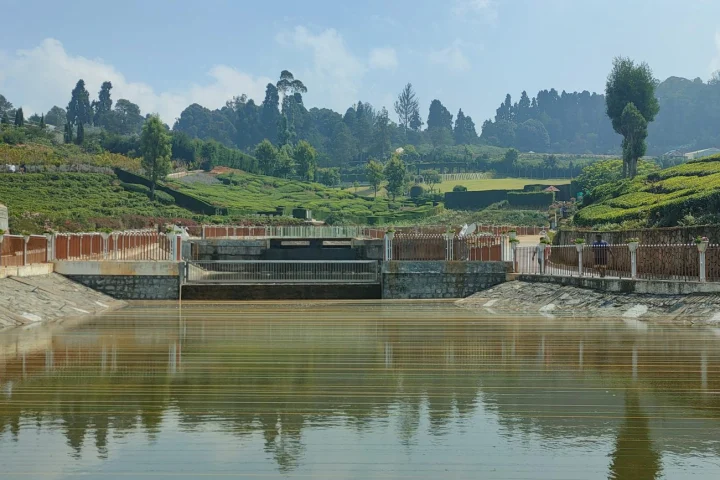
Vedanthangal works because birds and farmers need each other. The tank collects monsoon rain and releases it through sluices to the fields below. The birds nest over the water, and their droppings (guano) enrich the tank, so the water that reaches the paddy carries natural fertiliser. That shared interest is why villagers guarded the colony long before any law did.
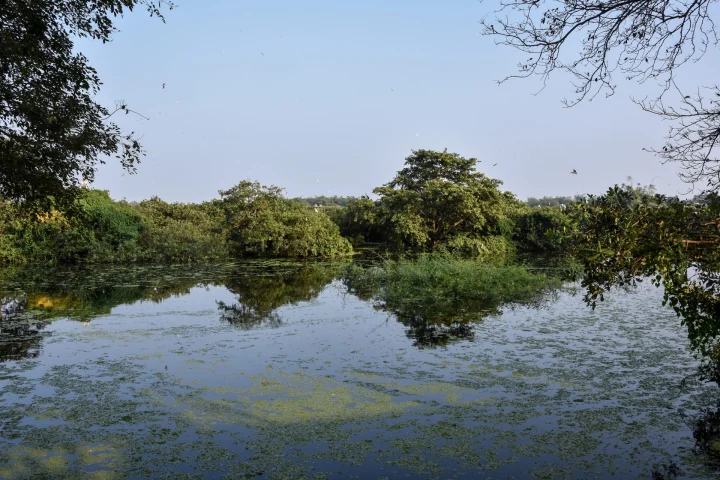
The tank is shallow, at most about 5 metres deep, with a clay bed and a long earthen bund of around 950 metres on one side, which is where visitors walk. The nesting trees are mainly Barringtonia and acacia, which stand in water for months. The forest department has planted many new Barringtonia saplings to keep enough nesting space for the birds. The sanctuary is managed by the Chennai Wildlife Division.
Birds you can see at Vedanthangal
The state wetland authority records around 195 bird species here. The most visible residents and breeding visitors include:
- Spot-billed pelicans, fishing on the water and nesting in the tree tops
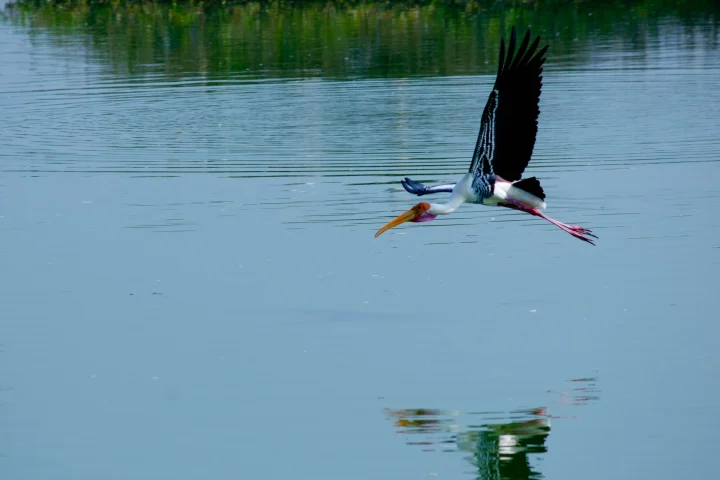
- Painted storks, with their pink-tinged wings and yellow bills
- Asian openbill storks
- Cormorants, diving for fish and drying their wings on branches
- Several species of egrets
- Ibises, probing the shallows for food
- Migratory ducks such as northern pintail and garganey, recorded at nearby Karikili
When the birds are there
Numbers depend on how much rain the northeast monsoon brings. In a good year the tank is full by November and nesting peaks from December to February. If the monsoon fails and the tank stays low, far fewer birds breed. The sanctuary is normally busiest with birds from November to March; outside that period the trees can be almost empty.
Karikili Bird Sanctuary nearby
About 10 km from Vedanthangal, Karikili is a smaller, quieter sanctuary made up of two tanks surrounded by paddy fields and scrub. It was declared a sanctuary in 1988 and, like Vedanthangal, became a Ramsar site in 2022. Around 100 species have been recorded. The two sites work together: many birds nest at Vedanthangal and feed at Karikili. If you have time, a visit to both gives a fuller picture of the wetland, and Karikili is usually much less crowded.
Sample day trip from Pondicherry
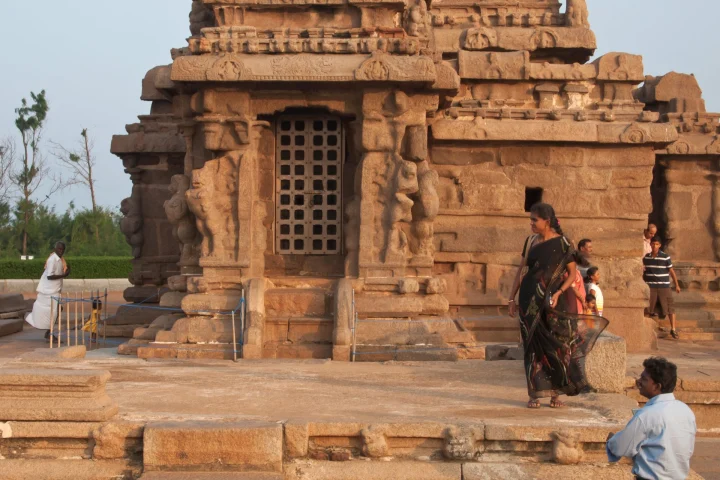
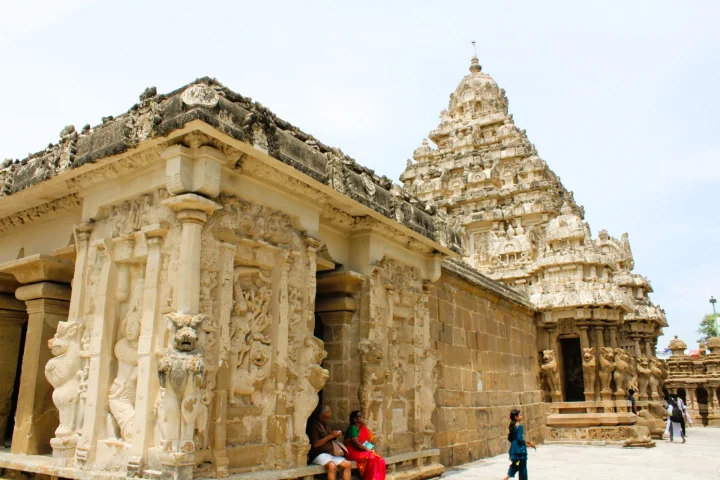
Our Vedanthangal and Mahabalipuram day trip follows this pattern, pairing the birds with the rock-cut temples of Mahabalipuram before driving back along the coast. You could also combine the sanctuary with Kanchipuram. For other wildlife and nature trips, see our bird watching page.
- Leave Pondicherry at about 5 am to reach Vedanthangal soon after opening.
- Two to three hours on the bund while the birds are most active.
- Optional stop at Karikili, then breakfast or an early lunch.
- Continue to Mahabalipuram for the afternoon, or return to Pondicherry by midday.
How to reach Vedanthangal from Pondicherry
Drive north to Tindivanam and join the Chennai highway, then turn off near Madurantakam for the last stretch on a smaller road. Route estimates range from about 85 to 100 km depending on the exact turn-off; allow about two hours. The roads are good, so an early start is easy.
Public transport is awkward: you would need a bus or train to Chengalpattu or Madurantakam and then a local bus or auto. With a car and driver you can arrive at first light, which is when the sanctuary is at its best.
Best time to visit
Come between November and March, ideally from December to February. Early morning, from opening until about 9 am, is the best time: the light is soft, the birds are active and the heat has not built up. Late afternoon is a good second choice, as birds return to roost.
At the time of writing, the sanctuary is reported to open from about 6 am to 6 pm, with a small entry fee and an extra charge for cameras. These change, so check before you go.
Photography and bird-watching tips
- Binoculars make a big difference; the nesting trees are across the water.
- For photography, a zoom lens of 300 mm or more is useful.
- Keep your voice down and do not throw food or objects into the water.
- Wear muted colours and comfortable shoes; the bund walk is flat but unshaded in places.
- Weekends and the Pongal holidays in January are busy; weekdays are calmer.
- Carry water and a hat, and use insect repellent near the water in the evening.
Food and facilities
Facilities at the sanctuary are basic, with a few snack and tea stalls near the entrance. For a proper meal, plan on a restaurant along the highway or in Mahabalipuram if you are continuing there.
Official information: Tamil Nadu State Wetland Authority
Frequently asked questions
How far is Vedanthangal from Pondicherry?
About 90 km by road via Tindivanam and the Chennai highway, which takes around two hours.
What is the best month to visit Vedanthangal?
December to February usually has the most nesting birds, within a season that runs roughly from November to March.
What are the Vedanthangal bird sanctuary timings?
At the time of writing it is reported to be open from about 6 am to 6 pm. Early morning is the best time for birds; check timings before you go.
Which birds can I see at Vedanthangal?
Spot-billed pelicans, painted storks, Asian openbills, cormorants, egrets and ibises are among the most commonly seen.
Can I combine Vedanthangal with Mahabalipuram in one day?
Yes. Visit the sanctuary early in the morning, then drive on to Mahabalipuram for the afternoon before returning to Pondicherry.