Last updated:
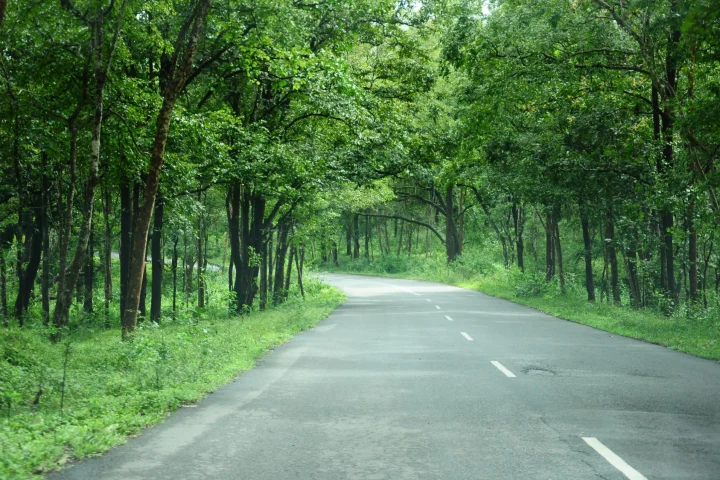
Mudumalai Tiger Reserve lies in the north-west of the Nilgiris district, where the hills drop down towards the Mysore plateau. The core national park covers about 321 sq km at roughly 850 to 1,250 metres, and joins Bandipur in Karnataka to the north and Wayanad in Kerala to the west. Together they form one of the largest protected forest blocks in India and a key part of the Nilgiri Biosphere Reserve.
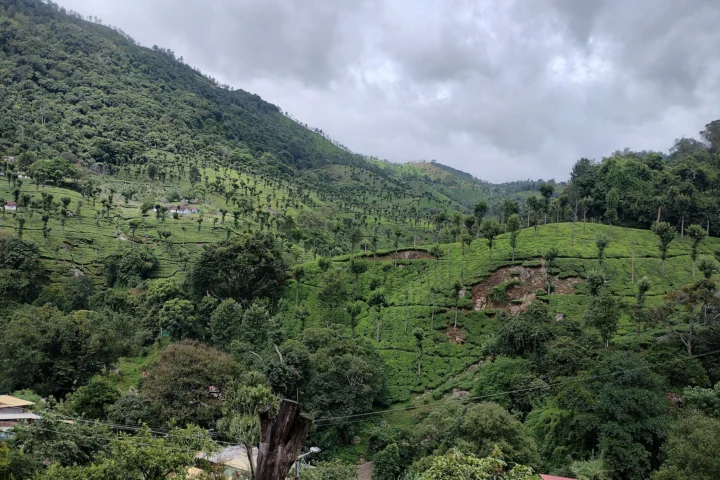
For visitors from Pondicherry, Mudumalai is the wildlife half of a Nilgiris trip. You spend a day or two in the cool of Ooty or Coonoor, then come down to the warmer, drier forest around Theppakadu and Masinagudi for safaris and the elephant camp.
On this page
A short history of the reserve
Mudumalai was first protected as a wildlife sanctuary in 1940, one of the earliest in South India. It was enlarged in 1977, became part of the Nilgiri Biosphere Reserve in 1986 and was declared a tiger reserve in 2007. Recent estimates put the tiger population at around a hundred, alongside a large population of Asian elephants and at least 266 bird species. The Moyar river runs through the reserve and is the lifeline of the camp at Theppakadu.
Things to do in Mudumalai
Forest department safari
Safaris inside the reserve are run by the Tamil Nadu Forest Department from the reception centre at Theppakadu. At the time of writing they run in a morning and an afternoon slot, roughly 6.30 am to 10 am and 2 pm to 5 pm, with each ride lasting about an hour. Seats are limited and on holidays the waiting time can be long, so arrive early. Timings, booking methods and vehicle types change – check the official Mudumalai Tiger Reserve website or ask us before you go.
Spotted deer, sambar, gaur, wild boar, langurs and peafowl are seen on most drives. Elephants are common, especially in the dry months. Tigers, leopards and dholes (wild dogs) are present, but sightings are a matter of luck.
Theppakadu elephant camp
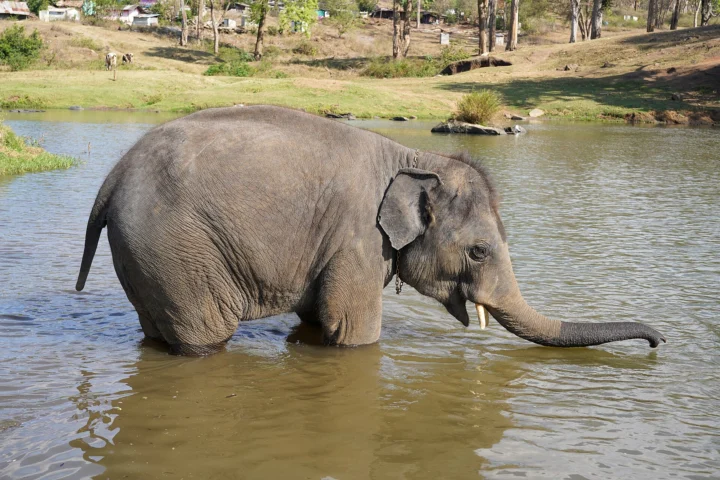
On the banks of the Moyar, the Theppakadu camp dates back to the 1920s, when elephants were trained for timber work. Today it cares for orphaned calves and elephants moved out of conflict areas, looked after by mahouts and assistants (kavadis), many from local tribal communities. The camp became widely known after the Oscar-winning documentary The Elephant Whisperers (2022), which was filmed here. Visitors can watch the elephants being bathed and fed at set times. Read more in our Theppakadu elephant camp guide.
Masinagudi
Masinagudi is a small village a few kilometres from Theppakadu, outside the core zone but surrounded by forest. Most private stays are here or along the road towards Bokkapuram. Wildlife often wanders close to the roads, so drive slowly and never stop to feed or approach animals. Night driving on the forest roads is restricted.
Bird watching
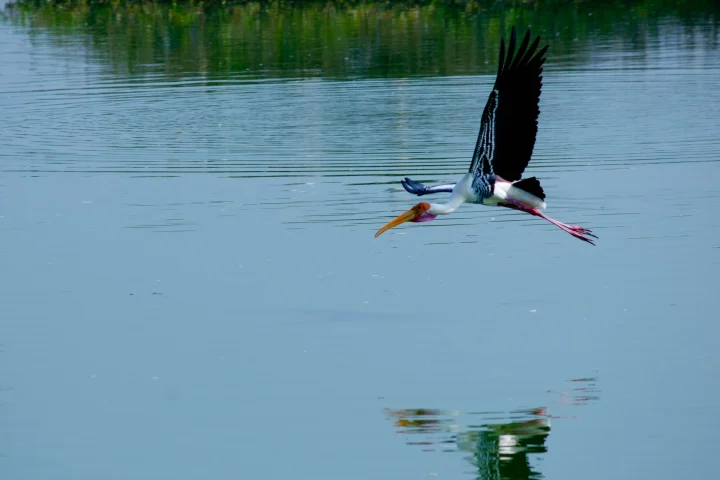
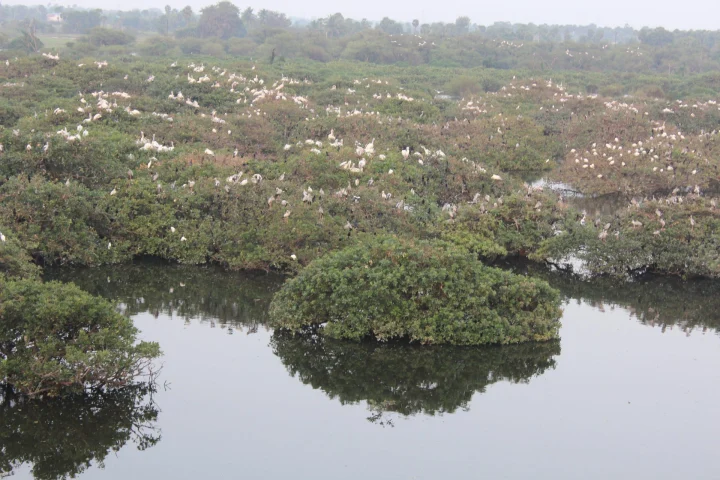
The mix of dry deciduous forest, grassland and riverine strips makes Mudumalai rewarding for birders. Crested hawk-eagles, peafowl, red-wattled lapwings, white-browed wagtails and many smaller forest birds are seen here. Early mornings along the Moyar are the most productive. See our bird watching page for other spots.
Best time to visit
Mudumalai is drier and warmer than Ooty. October to May is the usual visiting season. From February to May the forest thins out and animals gather near water, which makes sightings easier, although it gets hot at midday. The south-west monsoon (June to September) turns everything green but brings heavy rain. The reserve can close temporarily for forest fire risk in the dry season or for the census, so always check before planning around a safari.
How to reach Mudumalai from Pondicherry
Mudumalai is too far for a direct day’s drive with time left over for a safari. The practical plan is to reach Ooty or Coonoor on day one (via Salem and Mettupalayam), then drive down to Theppakadu on day two. The main route from Ooty goes via Naduvattam and Gudalur, about 65–70 km.
A shorter but very steep road drops from Ooty to Masinagudi via the Kalhatti ghat, with 36 hairpin bends. It is closed to buses and heavy vehicles and has had further restrictions on vehicles from outside the district, so we decide the route on the day based on current rules.
Our Nilgiris tour with Coonoor and Mudumalai builds this into a relaxed itinerary. If you are heading on to Karnataka, the road continues north through Bandipur to Mysore, which you can also see on our Wayanad, Ooty and Mysore tour.
Permits and the Nilgiris e-pass
Since 2024, on the direction of the Madras High Court, tourist vehicles registered outside the Nilgiris need an e-pass to enter the district, and numbers are capped in the summer peak. The rules have been changed several times. The pass is issued online through the Tamil Nadu e-pass portal (epass.tnega.org); check the current rules shortly before you travel.
Where to stay
Choices range from forest department lodges near Theppakadu to private resorts and homestays around Masinagudi and Bokkapuram. Stays inside or next to the forest have strict rules on noise, lights and walking outside after dark. We can suggest options that fit your plans.
Practical tips
- Wear dull greens, browns or greys on safari, and keep quiet.
- Carry binoculars; a zoom lens helps for birds and distant animals.
- Never get out of the car on forest roads, even for a photo.
- Do not walk in the forest without an authorised guide.
- Plastic is restricted in the Nilgiris – carry refillable bottles.
Frequently asked questions
How far is Mudumalai from Pondicherry?
About 505 km by road via Salem, Mettupalayam and Ooty. Most people break the journey with a night in Ooty or Coonoor.
How do I book a Mudumalai safari?
Safaris are run by the Tamil Nadu Forest Department from the Theppakadu reception centre. At the time of writing tickets are sold at the counter, with limited seats – check the official reserve website for the latest.
Can you see tigers in Mudumalai?
Tigers live in the reserve, but sightings are not guaranteed. Deer, gaur, langurs and elephants are seen far more often.
What is the best time to visit Mudumalai?
October to May, with February to May often best for sightings near water. The reserve may close briefly for fire risk or census work.
Is the Theppakadu elephant camp the one from The Elephant Whisperers?
Yes. The Oscar-winning documentary was filmed at the Theppakadu camp in Mudumalai Tiger Reserve.