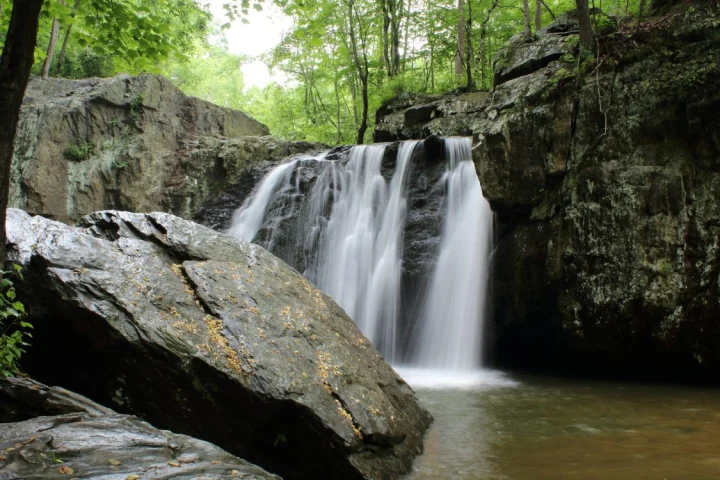
Hogenakkal is where the Kaveri river enters Tamil Nadu from Karnataka and breaks into dozens of channels, falls and pools as it pours over dark, fractured rock. The name is Kannada for “smoking rocks”: when the river is running well, spray rises from the gorges like smoke. The falls lie in Dharmapuri district, right on the state border, about 46 km from Dharmapuri town.
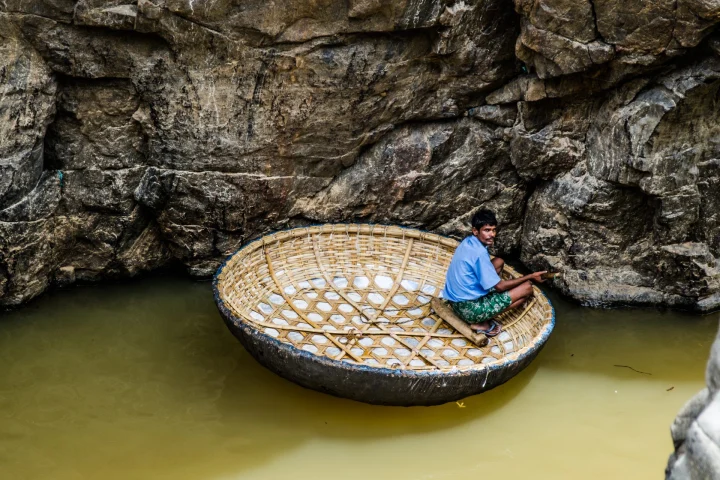
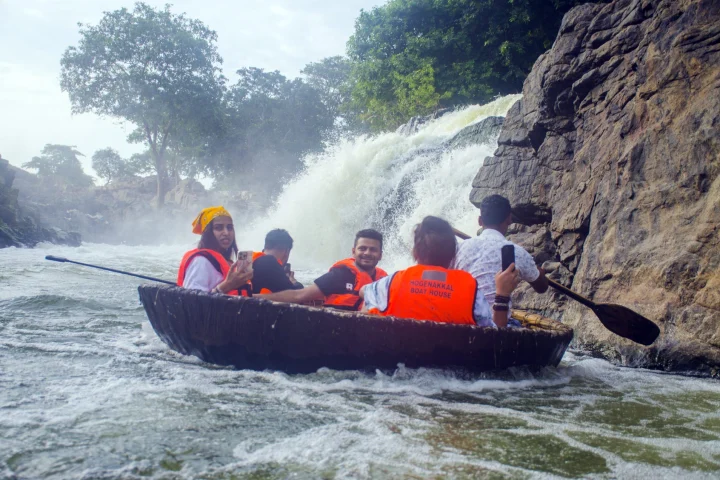
It is not one tall waterfall but a whole stretch of river – the highest drops are about 20 metres – and the best way to see it is from a round basket boat, the coracle, spinning between cliffs and under the spray. Add a riverside oil massage and a plate of fried fish, and you have one of the most distinctive outings in Tamil Nadu.
On this page
Why visit Hogenakkal
Hogenakkal suits families and groups who want something different from temples and beaches. The coracle ride is the main event, and the setting is striking: the rocks here are carbonatites, dated to roughly two billion years old and among the oldest of their kind known anywhere. The surrounding hills are forested, and the river valley feels remote even though the site is busy on weekends.
Things to do at Hogenakkal
Coracle (parisal) ride
Coracles, known locally as parisal, are round boats of woven bamboo made waterproof on the outside. The boatmen steer them with a single paddle through narrow channels, close to the falls and out to wider pools. Rides are organised under the local eco-tourism scheme, which also offers online booking. Ask for a life jacket and confirm the route and fare before you board.
When the Kaveri is in flood, the district administration suspends coracle rides and bathing, sometimes for days or weeks at a time. This happens most often between July and October, when water is released from dams upstream in Karnataka. Always check the current status before you set out.
Oil massage and bathing
A traditional oil massage on the rocks, followed by a bath in the river, has long been part of a Hogenakkal visit. Masseurs work at designated spots near the main bathing area. Bathing is allowed only in marked areas and is banned whenever the flow is high; police and rescue staff patrol the bank, and their instructions should be followed.
Watchtower and viewpoints
A watchtower near the falls gives an overview of the main cascades and the rocky channels. The walkways along the bank lead to several viewpoints where you can watch the river crash into the gorge.
River fish
Stalls near the river sell fish caught in the Kaveri, and they will clean and fry your choice on the spot with a spicy masala. It is a simple, very local experience. Vegetarians will find basic meals in town.
Crocodile Rehabilitation Centre
The forest department’s crocodile centre near the falls was set up in 1975 and houses more than a hundred crocodiles. It is a short, easy stop for children. It is reported to close on Tuesdays; check locally.
Sample two-day plan from Pondicherry
Our Hogenakkal and Yelagiri weekend pairs the falls with the small hill station of Yelagiri. On the way out, the temple town of Tiruvannamalai is an easy stop. For more ideas, see our waterfalls page.
Day 1: Pondicherry – Hogenakkal
- Leave Pondicherry early and drive via Tiruvannamalai and Dharmapuri.
- Break the journey for breakfast; reach Hogenakkal by early afternoon.
- Watchtower and riverside walk; overnight at a stay near the falls or in Dharmapuri.
Day 2: Coracle ride and return
- Coracle ride in the morning, when the light is soft and queues are shorter.
- Oil massage and bath, if permitted, and a fish lunch.
- Drive back to Pondicherry, or continue towards Yelagiri for a third day.
How to reach Hogenakkal from Pondicherry
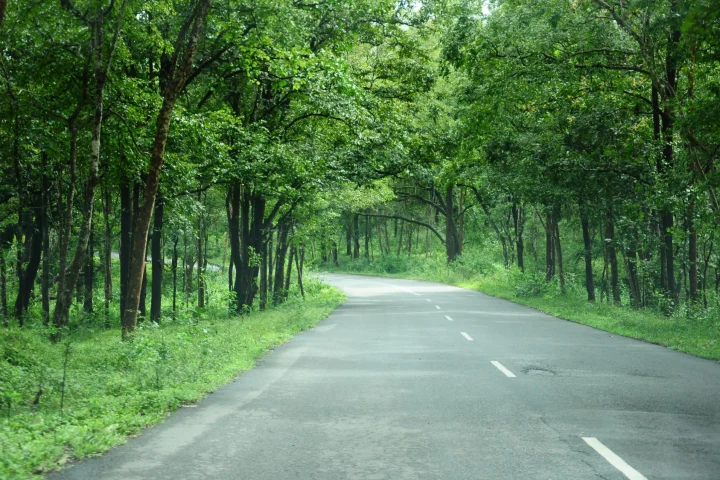
The usual route runs west through Tiruvannamalai and on to Dharmapuri, then 46 km via Pennagaram to the falls; the total is around 265–270 km. Allow five and a half to six hours with stops. The last section is a narrower road through hills and forest, so it is best driven in daylight.
Dharmapuri has a railway station and buses to Hogenakkal, but connections are slow. A car with driver lets you leave early, stop along the way and stay flexible if the falls are closed for a day because of high water.
Best time and river levels
Hogenakkal looks most dramatic soon after the monsoon, when the Kaveri is full. The catch is that very high water brings a ban on coracles and bathing. November to February is usually the best compromise, with good flow, safe rides and pleasant weather. From March to May the river can drop sharply, leaving bare rock and thin streams, and the heat is intense.
The flow depends on rainfall in Karnataka and on releases from dams upstream, not on local weather, so it can change within a day. At the time of writing, decisions on closures are announced by the Dharmapuri district administration and reported in the Tamil Nadu press – check news or ask us before you go.
Where to stay
Accommodation at Hogenakkal itself is limited, with a few simple government and private options near the falls. Dharmapuri, an hour away, has more hotels. For a more comfortable night, many travellers combine the falls with Yelagiri and stay there. We can help you book a suitable hotel.
Practical tips
- Carry a change of clothes and a waterproof pouch for phones – spray reaches most viewpoints.
- Wear sandals with good grip; the rocks are slippery.
- Never bathe outside marked areas; currents are strong and deceptive.
- Agree the coracle fare and route before boarding, and wear a life jacket.
- Weekends and public holidays are crowded; weekday mornings are best.
- Carry some cash, as mobile coverage and card payments can be patchy.
Frequently asked questions
How far is Hogenakkal from Pondicherry?
About 270 km by road via Tiruvannamalai and Dharmapuri, which takes five and a half to six hours.
Is Hogenakkal open now?
It depends on the Kaveri’s flow. The Dharmapuri district administration suspends coracle rides and bathing when inflow is high, so check the latest news before you travel.
What is the best time to visit Hogenakkal Falls?
November to February usually offers good water with coracles running. July to October can be spectacular but closures are more common.
Is the Hogenakkal coracle ride safe?
Rides are run by experienced local boatmen and are stopped by the authorities when the river is too high. Wear a life jacket, follow the boatman’s instructions and keep children seated.
Can I do Hogenakkal as a day trip from Pondicherry?
It is not practical, with eleven to twelve hours of driving. Plan at least one night near the falls, in Dharmapuri or in Yelagiri.